
The Brief: Why Are You Practicing?
The questions we ask shape the lives we end up living.

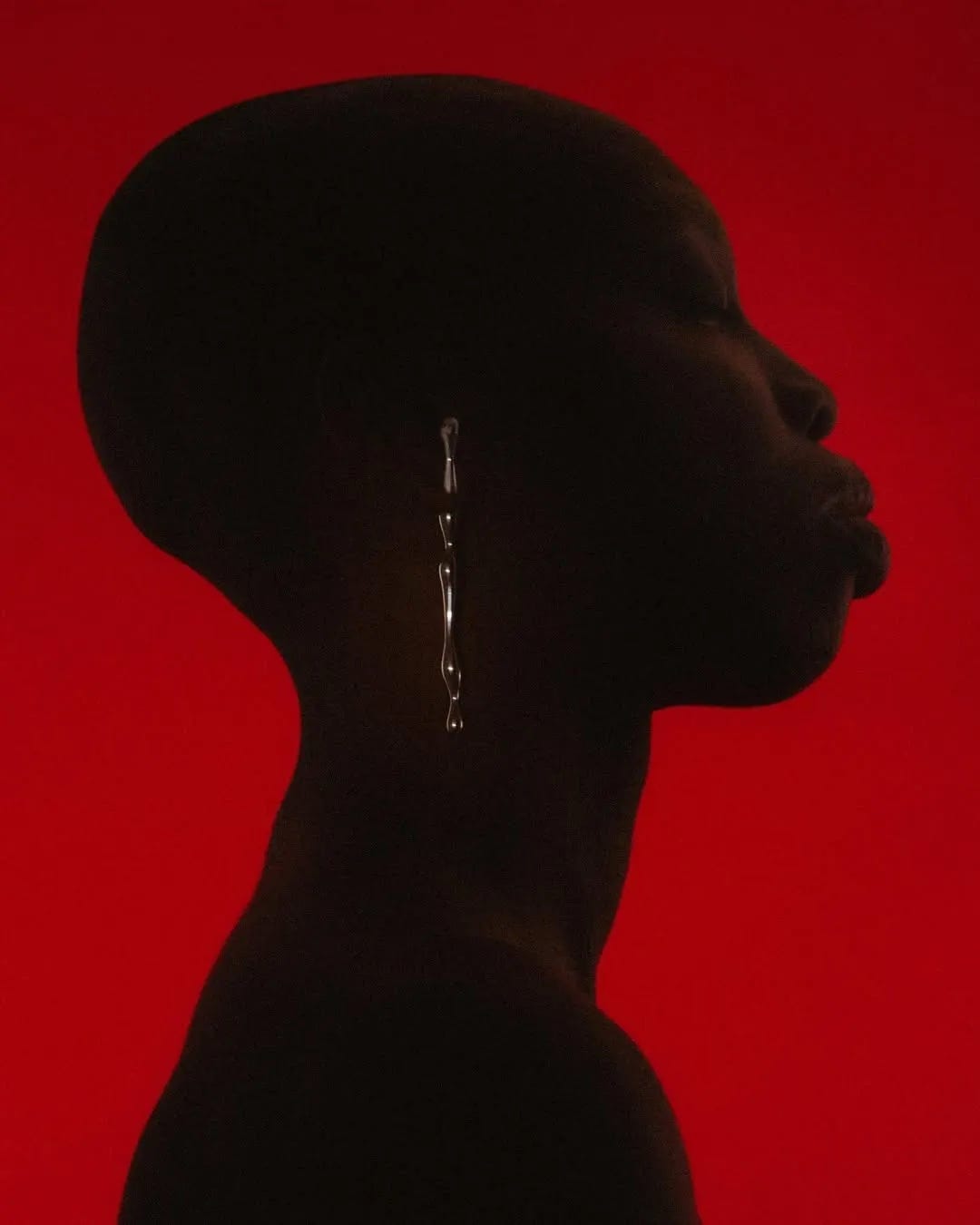
This week I found myself reading an essay by Buddhist studies scholar Ronald S. Green that asked a surprisingly simple question.
Who is meditation actually for? At first, I thought it was a weird question. Most of us assume meditation is for everyone, right?!
But the longer I noodled on it, the more I realized we’ve been asking a different question altogether.
Does meditation work?
As teachers we tend to point to studies showing lower stress, better sleep and improved focus. Those are useful findings, especially when you’re pitching the HR manager of big multi-national, and of course many people experience those benefits. But they also shape our thinking on what we believe meditation is for.
Historically, that wasn’t the central question.
For most of its history, meditation wasn’t offered as a way to relax or become more productive. It was a way of understanding the mind. The practice lived within a much larger tradition that included ethics, community and guidance. Meditation wasn’t the destination. It was one part of the path.
Somewhere along the way, our expectations changed.
Today many of us come to meditation hoping to feel calmer, quieter or less overwhelmed. Those are deeply human reasons to begin. In fact, they’re often what bring us to the cushion. It was sure was for me.
But if you stay with the practice long enough, and I hope you all do, it begins to change.
The question itself moves from How can meditation make me feel better? to What is meditation helping me see?
That shift changes your practice. Maybe even your life.
If my only measure of a good meditation is whether I feel calmer and more focused afterwards, then every restless sit feels like a failure.
But if meditation is an investigation into the mind itself, then even distraction becomes something to learn from. Restlessness has something to teach us. So to does frustration, which becomes part of the practice rather than evidence that we’ve somehow done it wrong.
I believe the real invitation of meditation isn’t to become someone else.
It’s to become deeply interested in the person who’s already here.
And then, slowly, to begin questioning whether that “person” is as fixed and solid as we imagine.
Practice
Before your next sit, ask yourself one question.
Why am I practising?
Whatever answer comes up first, don’t rush past it.
Maybe you’re hoping to feel calmer. Maybe you want relief from a difficult week. Maybe you simply want a break from the constant noise of your own mind. Those are all honest places to begin.
Then meditate as you normally would.
If your mind wanders, notice how quickly you decide you’ve failed. If you’re restless, notice the urge to fix the experience or reach for a different one.
What if none of that is a problem to solve?
What if meditation isn’t asking you to manufacture a particular state of mind, but to become more intimate with the one that’s already here?
For me, that’s where the practice really begins.
Not when the mind becomes quiet, but when I stop treating every uncomfortable moment as evidence that something has gone wrong.
Listen

I had the pleasure of spending Friday evening in conversation with legendary Rich Roll.
I don’t like many podcasts, and definitely not many podcast hosts. But I’ve admired Rich’s work for years, what I liked the most was who he was when the cameras weren’t rolling. Humble, curious and deeply present. It was a real privilege to be interviewed by him. I can’t wait to share the conversation with you.
Before we recorded, I’d been listening to his recent conversation with Dr. Ellen Langer, the Harvard psychologist often referred to as the mother of mindfulness. One idea about the conversation was around the decisions we make.
We spend so much of our lives wondering whether we’ve made the right decision. The right career. The right relationship. The right next step.
Langer suggests we’re asking the wrong question.
Instead of asking, Did I make the right decision? ask, How can I make this decision right?
It’s a simple, but it changes almost everything. It moves us away from certainty and towards responsibility. Rather than searching for the perfect path, we commit ourselves fully to the one we’re already on. It’s a fascinating listen.
It felt aligned with everything else I’d been thinking about this week.
gentle—noise
A quick update on gentle—noise.
As we continue to grow, so is the community around it. Over the coming months we’ll be expanding beyond meditation into new conversations, practices and experiences. That means bringing in teachers, chefs, artists and practitioners from a range of contemplative traditions.
If you’re based in New York, or know someone who is, and you’d like to be part of that world, I’d love to hear from you. We’re beginning to build a directory of thoughtful people working across meditation, qigong, tai chi, food, movement and culture.
You can add your details here.
Coming this week
One more thing before I go.
Tomorrow I’ll be sharing details of a new free four-week meditation series here in New York City.
As always, paid subscribers will receive first access before registration opens publicly. The same goes for our next evening at Public Records, where one of my favourite teachers will be leading the practice.
If you’ve been thinking about becoming a paid subscriber, this is a good week to join.
That’s the Brief. More on Wednesday.